THE LIFE OF A CLOTHES MOTH
Within the dark corners of your wardrobe, hiding in-between cashmeres, all is not what it seems... The female clothes moth, the Tineola bisselliella, is busy laying minuscule eggs which are poised to hatch into destructive invaders and commence the downward slope of wardrobe disintegration.
Throughout a moth’s lifecycle they undergo a number of phases when they reproduce, feed and develop into adults. A moth life cycle is a repeating four-stage process in which eggs are laid, hatch into fabric-eating larvae, pupate inside a silken case, and finally emerge as adult moths that mate and begin the cycle again.
Understanding a moth’s lifecycle is the first step to understanding how to determine if you have an infestation, the severity of the infestation and how to deal with it, including knowing the general moth lifespan.
Dealing with each stage of the moth lifecycle will require different methods and tools which are described below.

WHAT IS A MOTH LIFECYCLE?
1. THE EGGS ARE LAID: Once mating has occurred, the females lay 40 to 50 eggs over a course of 4-21 days that hatch into eating machine larvae.
2. THE LARVAE HATCH: These live for an unusually long period of 50 days before they pupate, all the time feeding on the fibres of your clothes.
3. THE LARVAE PUPATE: They wrap themselves in a silken case sealed with excrement and fibre. Whilst pupating they drag their bodies along in their silk turban, eating as they go.
4. THEY BECOME MOTHS: The moths mate and carry on the cycle again, and again, from May until October.

HOW LONG DO MOTHS LIVE?
A moth lives for around 65-90 days, with adult female moths typically living for about 30 days and potentially laying up to 300 eggs. While the adult moths themselves, known as “millers”, pose no threat to knitwear, the larvae that hatch from the eggs cause the damage by feeding on wool, hair, leather, cotton, linen, silk and synthetic fibres.
ADULT CLOTHES MOTH (TINEOLA BISSELLIELLA)
The common clothes moth, also known as the Webbing Clothes Moth (Tineola bisselliella), is a small household pest belonging to the Tineidae family within the order Lepidoptera. First described by the Swedish entomologist Arvid David Hummel in 1823, Tineola bisselliella is now found worldwide and is the primary culprit behind holes in wool, silk, and cashmere.
The adult Tineola bisselliella measures only 5-8mm in length with a wingspan of 9-16 mm. It is buff or beige in colour with a distinct reddish tuft of hair on its head, which helps distinguish it from other moths. Adults are weak fliers and prefer dark, undisturbed areas over light, so you’re most likely to see them fluttering near the lower parts of a room or around wardrobes and baseboards.
Although adults are visible, they do not feed or cause fabric damage. Their purpose is purely reproductive. The female releases pheromones to attract males. Mating soon follows, and the moth life cycle begins again.
WHAT IS TINEOLA BISSELLIELLA?
Tineola bisselliella, the common clothes moth, is a keratin-feeding insect that thrives indoors and feeds on natural fibres such as wool, silk, fur, and feathers. The larvae, not the adults, are responsible for the damage as they chew through fabrics while growing. This species prefers dark, humid environments and can breed year-round in heated homes.
- Common name: Common Clothes Moth / Webbing Clothes Moth
- Size: 5–8 mm body length
- Damage: Caused by larvae, not adults
- Habitat: Dark, undisturbed indoor areas
- Diet: Natural fibres containing keratin
HOW TO GET RID OF TINEOLA BISSELLIELLA?
To control Tineola bisselliella, it’s essential to break the lifecycle:
- Adults: Use pheromone-based traps such as the Moth Trap Box or Moth Decoy to capture males and stop mating.
-
Eggs & Larvae: Vacuum thoroughly, steam clean, or treat wardrobes and textiles with Chrysanthemum Killer Moth Spray.
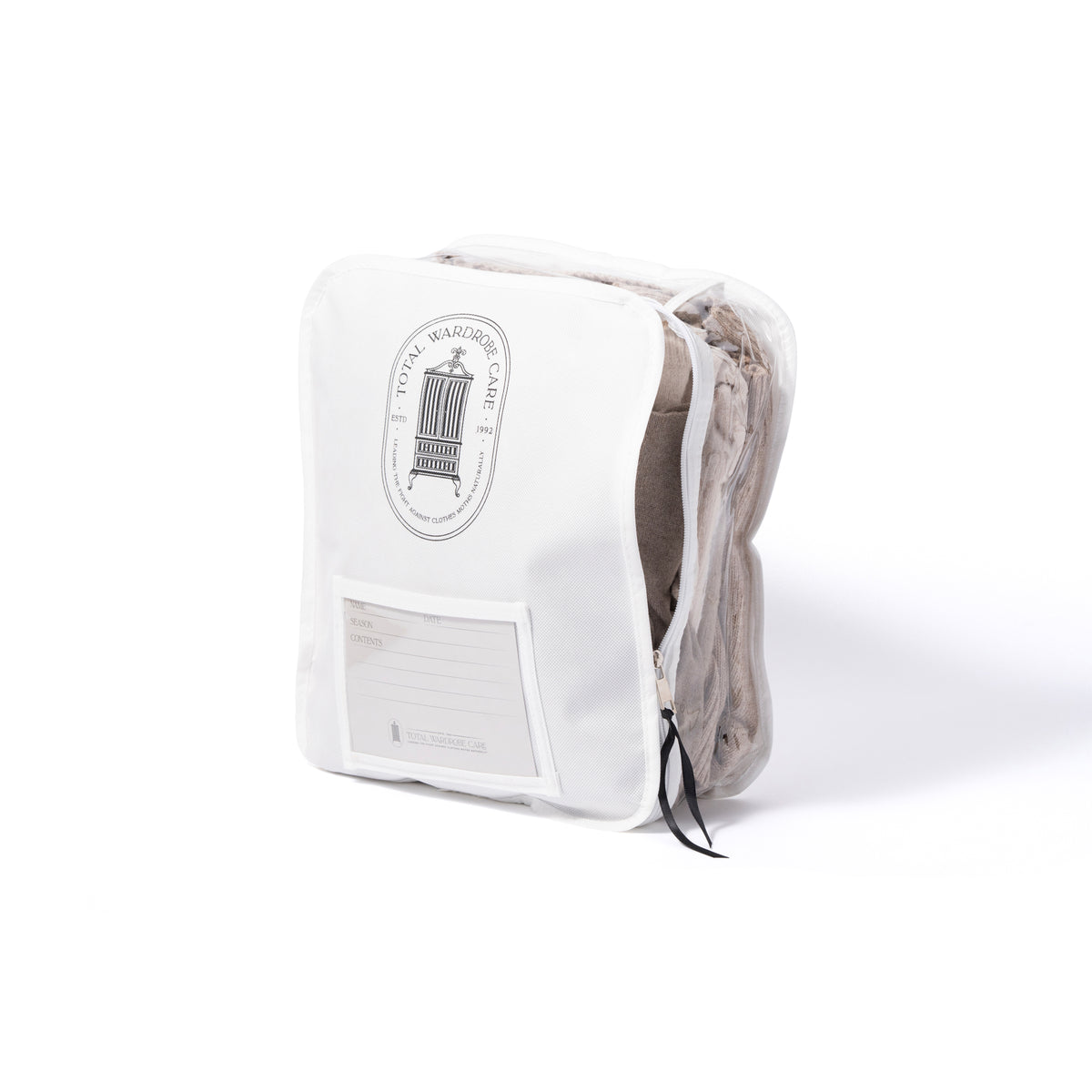
- Prevention: Store clean garments in Moth-Proof Storage Bags and use natural repellents like lavender or Cedar Sachets.
An adult Tineola bisselliella typically lives around 30 days, contributing to the overall moth lifespan, with each female laying up to 300 eggs. Under warm conditions, eggs hatch within 4-10 days, so quick action is key to preventing an infestation from spreading.
TIPS TO STOP ADULT CLOTHES MOTHS
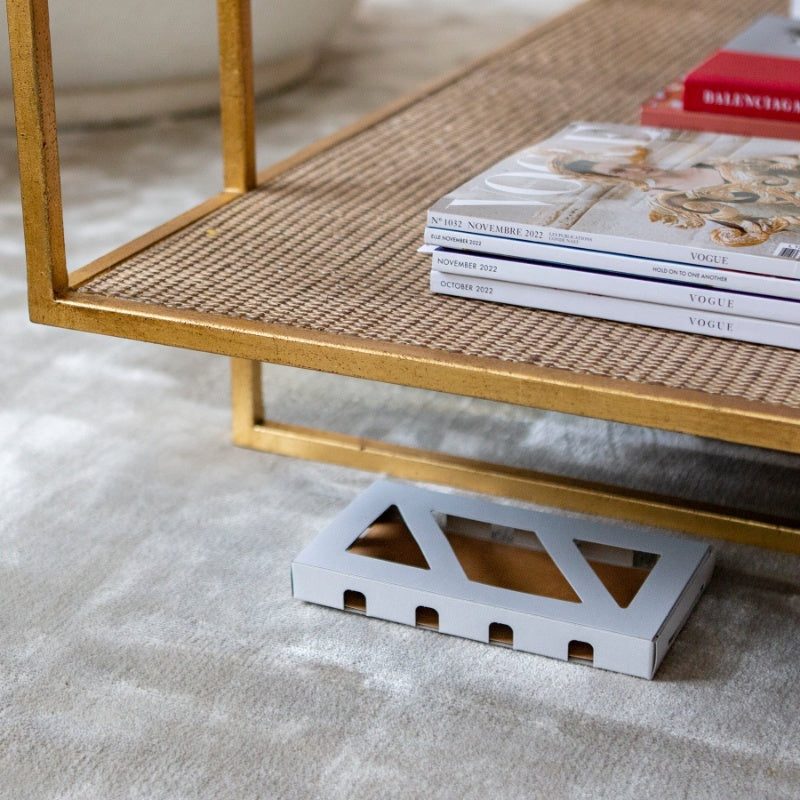
If you are seeing adult moths flying around you are likely to have a well-established infestation. To target the adult phase, you should use either the Moth Trap Box or the Moth Decoy. Both products help to deter the lifecycle of a clothes moth and use the same pheromone specific to the female webbing clothes moth.
The Moth Box attracts male clothes moths to a sticky board which kills the moths and is good to monitor infestation levels.


CLOTHES MOTH EGGS
Once mated, an adult female clothes moth will lay 40 to 50 eggs over 2 to 3 weeks and then dies. The eggs are laid singly or in small groups, hidden away in materials such as folds of clothing or soft furnishings. The eggs are the size of a pinhead. In summer the eggs hatch between 4-10 days and take up to three weeks to hatch in winter.
CLOTHES MOTH LARVAE
The eggs hatch into larvae, which look like little creamy coloured worms with a dark head. The newly emerged larvae are about 1mm long but grow up to 12mm. This is the destructive phase as the larvae have chewing mouth parts and feed on natural materials containing the protein keratin such as cashmere, wool, silk, feathers, furs and leather.
They are unlikely to feed on synthetic fibres, but it is possible if they are soiled with food stains, skin cells and human secretions like sweat. The larvae create silken threads which looks like webbing. They eat, grow, shed their skins and repeat.

With the right conditions, such as plenty of food, the right humidity and temperature the larvae become fully grown in 35 days however if conditions are not as favourable, then this could take as long as 2.5 years. For more information about moth larvae read our blog 'how to get rid of moth larvae'
The fully grown larvae spins a case like a sleeping bag made of silk approximately 8mm in length and transforms inside to an adult moth. The adult moth emerges in approximately 8 to 10 days in Summer or up to 4 weeks during the Winter and the whole cycle starts again. If left unchecked, each lifecycle leads to a multiplication of the destructive larvae.
KILL CLOTHES MOTH EGGS & LARVAE
As the temperature starts to rise in spring, the conditions become more favourable to the clothes moth and the life cycle

Use this time wisely to get a handle on an infestation as part of a spring clean, wardrobe clean out and change over to spring season garments. Dry clean winter coats and woollen garments as dry-cleaning fluid kills eggs and larvae.
Empty your wardrobe, vacuum, wash or treat with a Steam Cleaner or Chrysanthemum Killer Moth Spray before replacing clothes. These methods and products will kill eggs and larvae.
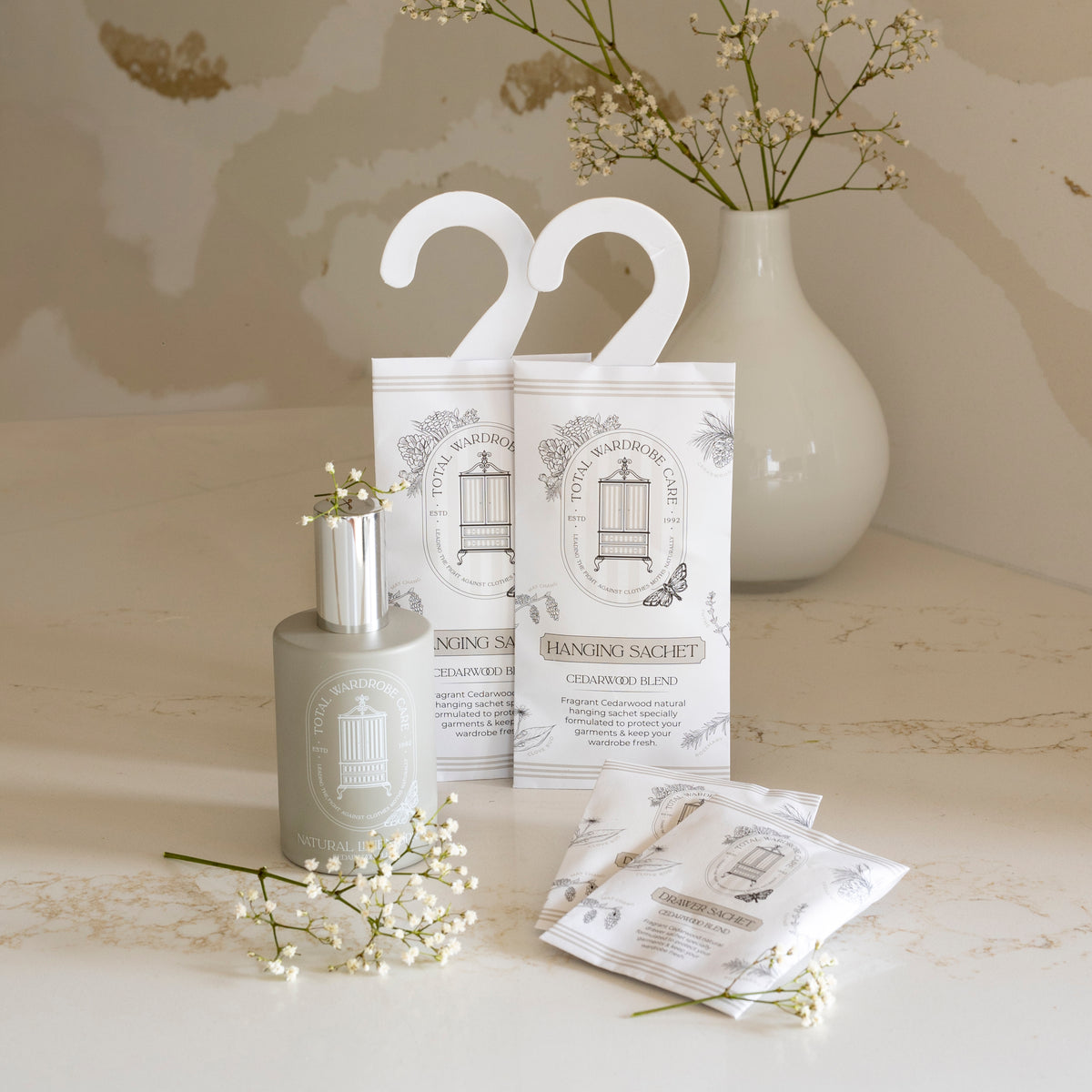
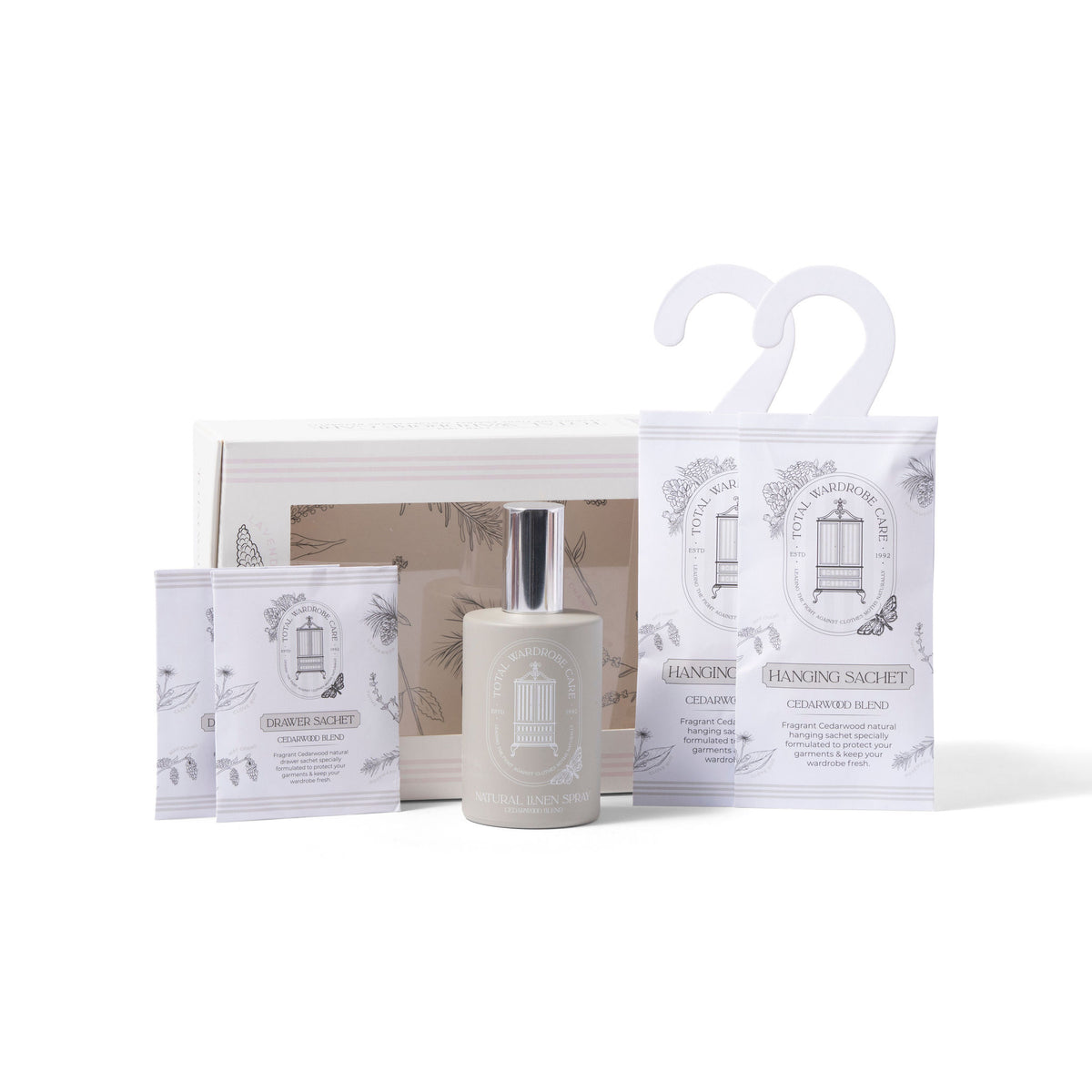
Replace your clothes putting precious out of season items in moth proof breathable Storage Bags and repel adult moths from returning by using products with natural ingredients which repel clothes moths, for example Drawer Sachets, Hanging Sachets & Drawer Liners.

WHAT ATTRACTS THE MOTHS TO CLOTHES?
The larvae convert the protein keratin, that is present in hair and wool, into useful nutrients. They do not drink water, so depend on their meal of jumper sleeve for moisture. Old sweat and liquid spillages provide a perfect feeding site for the hungry hatchlings.
The female clothes moths will find a prime site for their eggs to hatch - the dirtier the better! Not only do they munch away holes, but they also leave their silken cases, silken threads and fecal pellets all over the surface or your garment, which in turn provides new food sources for the next batch.
STOP CLOTHES MOTH AT EVERY STAGE OF THE LIFECYCLE
Each stage of the clothes moth lifecycle, egg, larvae and adult, require different methods. The best way to get rid of a clothes moth infestation is to use the tools and methods targeted to each life stage in an integrated way. Persistent care is imperative to keep the moths away.
Our Moth DIY Kit contains all you need to kill the moths and end the lifecycle. If you are unsure whether you have moths and how serious your infestation is we recommend you purchase the Anti-Moth Starter Pack.
For more tips on dealing with clothes moths, read our guide on How to Get Rid of Moths or take a look at our Blogs for a plethora of expert advice.
NEED HELP?
For further tips and advice on getting rid of clothes moths and clothing storage solutions, head to our Blog Pages or feel free to Contact Us.